
Dental Bridges in Torrance
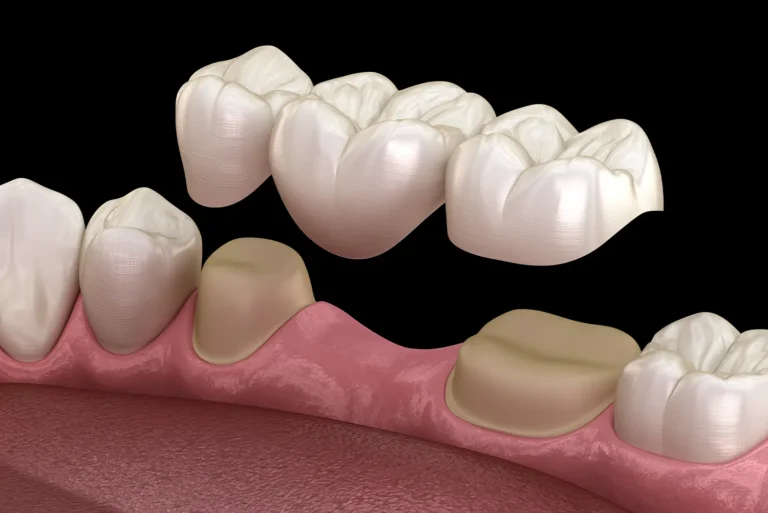
A gap in your smile can make it harder to chew comfortably, speak clearly, and feel confident when you laugh. At Mellert Dental Associates, we offer both traditional and implant-supported bridges to restore your smile with natural-looking results. Our team will walk you through your options and help you choose the one that fits your needs.
Why should I get a dental bridge?
When a tooth is missing, the teeth around it can slowly drift into the open space, which can change your bite and make cleaning more difficult. A dental bridge fills that gap with a custom-made replacement tooth, restoring the way you chew, speak, and smile. Whether you’re looking into missing tooth replacement for the first time or comparing it with other options, Dr. Mellert, Dr. Houck, and Dr. Brown will explain what’s possible for your situation. We’ll take the time to answer your questions and make sure you feel comfortable with the plan before moving forward.
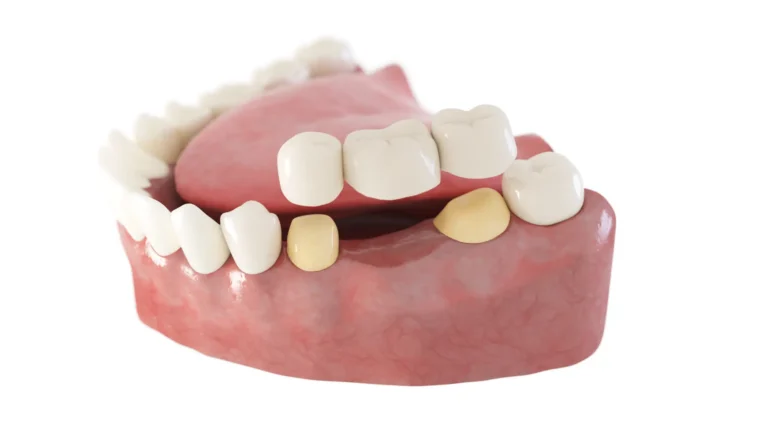

The Benefits of Dental Bridges
- Comfortable Chewing and Clear Speaking: Replacing a missing tooth helps you bite and chew more evenly, and it can make speaking feel more natural again.
- Support for Your Remaining Teeth: Filling the gap helps keep neighboring teeth from shifting out of position, which protects the balance of your bite.
- A Natural-Looking, Fixed Solution: Bridges are made from lifelike porcelain and stay securely in place, so you don't have to remove them like a partial denture.
The Dental Bridge Process
Consultation and Planning
We’ll review your health history, examine your teeth and gums, and take any images your doctor needs, including a digital scan with our iTero® scanner. Together we’ll talk through whether a traditional or implant-supported bridge makes the most sense. Call us at (310) 543-1234 or book online to get started, and bring any questions you have.
Preparing for Your Bridge
For a traditional bridge, your doctor gently reshapes the teeth on either side of the gap so they can support crowns, then takes impressions for your custom bridge. A temporary bridge may be placed while the final one is made. For an implant-supported bridge, implants are placed in the jawbone first and given time to heal before the bridge is attached.
Placing Your Custom Bridge
Once your bridge is ready, we check the fit, color, and bite before securing it in place. We’ll show you how to care for it at home and schedule follow-up visits so everything continues to look and feel its best.

FAQs
Have questions about dental bridges? Find answers here.
A dental bridge replaces one or more missing teeth with a custom-made artificial tooth that spans the gap. The bridge is held in place by crowns on the teeth next to the gap, or by dental implants, and it’s designed to match the shape, size, and color of your natural teeth. Because it’s fixed in place, it works much like the teeth around it, so you can chew and smile comfortably.
A traditional dental bridge relies on the natural teeth beside the gap for support, which means those teeth are reshaped to hold crowns. An implant-supported bridge is anchored directly to dental implants placed in the jawbone, so it doesn’t depend on neighboring teeth and offers added stability. Implant-supported bridges require healthy gums and enough jawbone, and they take longer because the implants need time to heal. Your doctor will help you weigh the options based on your teeth, your goals, and your timeline.
A traditional bridge is typically completed over a couple of visits spaced a few weeks apart, since your custom bridge is made for you. An implant-supported bridge takes longer, because the implants usually need about three to six months to fuse with the jawbone before the final bridge is placed. Your exact timeline depends on your needs, including whether any gum treatment or other preparation is required first, and we’ll outline it for you at your consultation.
Brush twice a day with fluoride toothpaste and clean between your teeth every day, including underneath the bridge, using a floss threader, interdental brush, or water flosser. Avoid chewing ice or very hard objects, and keep up with regular checkups and cleanings so we can monitor your bridge and the teeth and gums around it. We’re always happy to show you the cleaning techniques that work best for your bridge.
Yes, most patients return to eating their usual foods once they’ve adjusted to their new bridge. Starting with softer foods for the first few days can help while you get comfortable, and it’s best to avoid very hard or sticky foods if you have a temporary bridge. If you’re having an implant-supported bridge, we’ll give you specific guidance on chewing while your implants heal.